
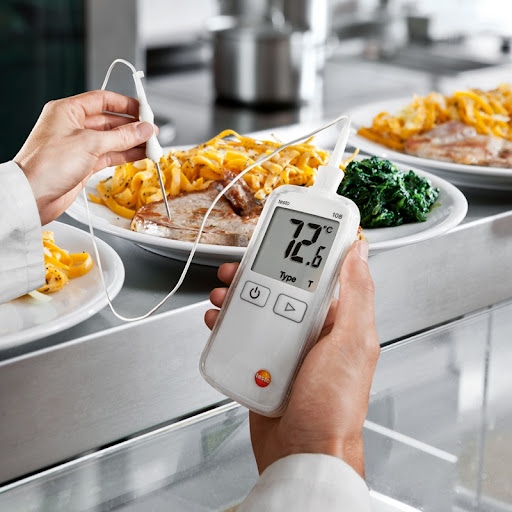
What Is Food Safety Compliance and Why Is It Important?
Food safety compliance refers to the systematic adherence to established regulations, standards, and procedures designed to prevent foodborne illnesses and ensure that food products are safe for consumption. It encompasses everything from proper handling and storage to temperature controls and contamination prevention throughout the entire food production chain.
The significance of maintaining rigorous food safety compliance system cannot be overstated. Every year, millions of people worldwide suffer from foodborne illnesses caused by contaminated food products. These incidents can result in severe health consequences, legal liabilities, brand reputation damage, and substantial financial losses for food businesses. Compliance protects both consumers and organizations by establishing clear protocols that minimize risks at every stage of food handling.
Organizations face numerous challenges in achieving perfect compliance with food safety standards:
- The complexity of modern food supply chains
- Varying regulatory requirements across jurisdictions
- The need for continuous monitoring
- Staff turnover requiring ongoing training efforts
- Resource constraints making it difficult to implement comprehensive safety programs
- Struggles with maintaining consistent documentation
- Difficulties in responding effectively to deviations
- Keeping pace with evolving regulations
The HACCP system (Hazard Analysis Critical Control Point) provides a proven framework for addressing these challenges. This internationally recognized approach shifts focus from reactive end-product testing to proactive hazard prevention. The 5 Steps to Achieving Perfect Food Safety Compliance outlined in this article build upon core HACCP principles:
- Conducting thorough hazard analysis
- Determining critical control points
- Establishing critical limits with monitoring procedures
- Implementing corrective actions for deviations
- Maintaining verification, documentation, and training systems
This structured methodology enables organizations to identify potential risks before they become problems, establish control measures at crucial points, and create a culture of continuous improvement in food safety practices.

How Can Organizations Conduct a Thorough Hazard Analysis?
Hazard analysis is a crucial part of any successful food safety program. It involves carefully looking at every step of the food production process to find potential risks before they endanger consumer safety. By taking this proactive approach, organizations can identify where problems like contamination, spoilage, or other safety issues may arise instead of finding out about them after they’ve already impacted the product.
Understanding the Three Categories of Food Safety Hazards
There are three main types of food safety hazards that organizations need to be aware of:
- Biological hazards: These are the most common cause of foodborne illness and include harmful microorganisms such as bacteria, viruses, and parasites.
- Chemical hazards: These involve substances that can contaminate food, such as cleaning agents, pesticides, allergens, and natural toxins.
- Physical hazards: These refer to foreign objects that can cause injury or choking, such as glass fragments, metal pieces, plastic fragments, stones, or personal items.
Each category requires specific strategies for identifying and controlling the hazards.
Implementing a Systematic Hazard Identification Process
To effectively identify hazards in their operations, organizations should follow a systematic process:
- Map the entire food flow: Start by creating a detailed map of how food moves through your organization—from receiving raw materials to distributing the final product.
- Analyze each process step: Carefully examine every step in the food production process to determine what could go wrong and when hazards might be introduced or controlled.
- Review ingredient specifications: Look at supplier specifications, certificates of analysis, and historical data on contamination incidents to understand the risks associated with your raw materials.
- Evaluate process activities: Pay close attention to every activity during food preparation, cooking, cooling, storage, and transportation to identify potential sources of contamination or physical hazards.
By following this systematic approach, organizations can gain a better understanding of their specific risks and implement appropriate control measures to ensure food safety.
What Are Critical Control Points (CCPs) and How Should They Be Determined?
Critical control points (CCPs) are specific stages in the food production process where control measures must be applied to prevent, eliminate, or reduce food safety hazards to acceptable levels. These points represent the last opportunity to prevent a hazard from reaching consumers or reduce it to a safe level.
Unlike general control points that improve product quality, CCPs directly impact food safety. A cooking step that eliminates pathogenic bacteria is a CCP. A metal detector that prevents physical contamination before packaging is a CCP. The refrigeration unit maintaining cold chain integrity is a CCP. Each represents a critical barrier between hazards and consumer harm.
Distinguishing CCPs from Control Points
Not every step in food production qualifies as a critical control point. The distinction matters for process control and resource allocation. A CCP addresses hazards that, if uncontrolled, could result in unacceptable health risks. A control point manages quality or minor safety concerns but isn’t the final defense against significant hazards.
Consider a bakery: the final baking temperature that kills pathogens is a CCP. The dough mixing time that affects texture is merely a control point. Both require monitoring, yet only the baking temperature demands the rigorous documentation and corrective action protocols associated with CCPs.
The Decision Tree Method for Identifying CCPs
Organizations determine CCPs using a systematic decision tree approach that evaluates each process step where hazards exist:
Question 1: Do preventive measures exist for this hazard at this step?
- If no preventive measures exist and control is necessary, modify the process to include control measures
- If preventive measures exist, proceed to the next question
Question 2: Is this step specifically designed to eliminate or reduce the hazard to acceptable levels?
- If yes, this step is a CCP
- If no, continue to the next question
Question 3: Could contamination occur or increase to unacceptable levels at this step?
- If no, this is not a CCP
- If yes, proceed to the next question
Question 4: Will a subsequent step eliminate or reduce the hazard to acceptable levels?
- If yes, this step is not a CCP
Why Are Establishing Critical Limits and Implementing Monitoring Procedures Vital for Compliance?
Critical limits are the specific, measurable boundaries that determine whether food is safe or potentially hazardous at each Critical Control Point (CCP). These criteria—like cooking chicken to a minimum temperature of 75°C or keeping ready-to-eat foods at a maximum refrigeration temperature of 5°C—set clear standards that leave no room for guesswork. Without these precise limits, food handlers wouldn’t have the concrete guidelines needed to assess if their control measures are effective.
What Makes an Effective Critical Limit?
Effective critical limits must be measurable, scientifically validated, and practical to monitor in real-world operations. Temperature control represents the most common type of critical limit because it can be measured instantly and accurately with calibrated thermometers. For instance, understanding how temperatures affect food safety is crucial. Time-based limits, such as holding hot food for no more than four hours, provide another measurable standard. pH levels, water activity measurements, and visual observations of physical characteristics also serve as valid critical limits when properly defined.
The scientific basis for each critical limit usually comes from regulatory guidelines, published research, or expert consultation. For example, a bakery setting a critical limit of 63°C for custard-filled pastries bases this decision on documented evidence showing that this temperature eliminates Salmonella bacteria when maintained for the required duration.
How Do Monitoring Procedures Verify Control?
Monitoring procedures turn critical limits from theoretical standards into practical safeguards through systematic verification. These procedures answer a fundamental question: Is this CCP operating within its established boundaries right now? Regular monitoring catches deviations before unsafe food reaches consumers, making it the primary defense mechanism in any food safety system.
Physical monitoring methods provide immediate feedback:
- Temperature probes inserted into food products at cooking or cooling stages
- Thermometers placed in refrigeration units with automated recording systems
- Metal detectors scanning products on production lines
- Visual inspections checking for foreign objects or contamination signs
Chemical monitoring techniques offer additional verification layers:
- pH meters measuring acidity levels in fermented products
- Chlorine test strips confirming sanitizer concentration in wash water
- Water activity meters assessing moisture content in dried goods
How Should Organizations Respond When Deviations Occur at Critical Control Points?
Corrective actions are the backup plan when monitoring shows that critical limits have been exceeded at any Critical Control Point. A well-defined corrective action plan ensures immediate, systematic responses that protect product safety and prevent contaminated or unsafe food from reaching consumers.
What Makes an Effective Corrective Action Plan?
An effective plan answers three key questions: what went wrong, how to fix it right away, and how to prevent it from happening again. Every documented corrective action must identify the specific deviation, the immediate steps taken to regain control, the disposition of affected products, and measures implemented to prevent similar incidents.
Deviation management requires predetermined protocols that eliminate guesswork during critical moments. Staff members need clear authority to stop production, quarantine affected products, and start corrective measures without waiting for management approval when safety is at stake.
What Immediate Actions Must Be Taken?
The moment a deviation occurs, four immediate actions become mandatory:
- Identify and isolate all potentially affected products to prevent distribution
- Correct the deviation by adjusting equipment, processes, or conditions to bring the CCP back within critical limits
- Evaluate the safety of products produced during the deviation period
- Document everything including the time, nature of deviation, and all actions taken
Temperature deviations during cooking processes, for example, require immediate verification of actual temperatures reached, extension of cooking times if needed, and potential disposal of products that failed to reach safe temperatures. Products cannot simply be relabeled or reprocessed without proper hazard evaluation.
How Should Affected Products Be Handled?
Product disposition decisions must prioritize consumer safety over economic considerations. Products produced during a deviation period require one of four outcomes: immediate destruction, reprocessing if scientifically validated as safe, diversion to non-food use, or release only after thorough evaluation confirms safety.
The evaluation process examines the severity of the deviation, duration of the breach, nature of the hazard, and any compensating factors that may have reduced risk. A brief temperature excursion during refrigerated storage differs significantly from a complete cooking failure that leaves pathogens viable.
What Root Cause Analysis Should Follow?
Beyond immediate corrections, organizations must investigate why the deviation occurred in the first place. This root cause analysis is crucial for understanding underlying issues that led to the breach and implementing effective preventive measures.
By identifying and addressing these root causes—whether they involve equipment malfunctions, human errors, or inadequate training—organizations can strengthen their systems and reduce the likelihood of future deviations.
How Can Continuous Improvement Be Achieved?
Corrective actions should not be seen as isolated events but rather as opportunities for continuous improvement. Organizations can leverage insights gained from each deviation incident to enhance their processes, training programs, and overall food safety management systems.
Regularly reviewing and updating corrective action plans based on lessons learned will foster a culture of proactive problem-solving within the organization. This commitment to ongoing improvement will ultimately contribute to more robust controls at Critical Control Points and better protection for consumers.

What Role Do Verification, Documentation, Management Commitment, and Employee Training Play in Achieving Perfect Food Safety Compliance?
These four pillars transform HACCP principles from theoretical frameworks into practical, sustainable food safety systems. Verification procedures confirm that monitoring activities accurately reflect reality and that control measures work as intended, while record keeping creates an auditable trail proving compliance exists beyond verbal assurances.
How Do Verification Procedures Strengthen Food Safety Systems?
Verification procedures validate that your HACCP plan functions correctly in real-world conditions. These activities extend beyond routine monitoring to include calibration checks of thermometers and measuring equipment, review of monitoring records for patterns or anomalies, and periodic testing of food products to confirm hazards remain controlled.
Independent audits conducted by third-party assessors provide objective evaluation of your entire food safety system. Internal verification might involve supervisors reviewing temperature logs weekly, while external verification could include annual certification audits against standards like ISO 22000. Laboratory testing of finished products serves as a final verification layer, catching any failures in earlier control points.
The frequency of verification activities depends on risk levels and historical performance. High-risk processes like cooking require more frequent equipment calibration—potentially daily for critical thermometers—while lower-risk areas might need monthly checks.
Why Is Comprehensive Documentation Essential for Compliance?
Documentation practices create the evidence base that proves your food safety system exists and operates consistently. Every hazard analysis, CCP determination, critical limit, monitoring result, and corrective action must be recorded in formats that survive audits and legal scrutiny.
Effective record keeping includes:
- HACCP plan documents detailing hazard analysis, identified CCPs, and established critical limits
- Monitoring logs showing temperature readings, pH measurements, or visual inspection results
- Corrective action reports documenting deviations and responses taken
- Verification records including calibration certificates and audit findings
- Training records proving staff competency in their assigned roles
Digital systems offer advantages over paper records through automatic timestamps, reduced transcription errors, and easier retrieval during inspections. Cloud-based platforms enable real-time monitoring across multiple sites, alerting managers immediately when deviations occur rather than discovering issues during weekly log reviews.
Records must remain accessible for periods specified by regulations—typically
Conclusion
Food safety compliance is more than just filling out regulatory forms. Organizations that see the 5 Steps to Achieving Perfect Food Safety Compliance as a flexible framework instead of a fixed requirement are better positioned for long-term success in protecting consumers and their brand reputation.
Continuous improvement turns food safety from a burden into a competitive advantage. Each hazard analysis, every monitoring procedure, and all corrective actions generate data that reveals patterns and opportunities for refinement. Organizations that regularly review their HACCP plans, update critical control points based on new insights, and adjust critical limits as processes evolve demonstrate genuine commitment to excellence.
Building a strong food safety culture requires leadership that sees compliance as an essential part of business operations. When management allocates resources for training, invests in monitoring equipment, and empowers employees to report concerns without fear, the entire organization becomes vigilant guardians of food safety. This cultural shift ensures regulatory adherence becomes second nature rather than forced compliance.
The way forward involves:
- Regular assessment cycles that challenge existing assumptions about hazards and controls
- Investment in employee development that keeps teams informed about emerging risks and best practices
- Technology adoption that enhances monitoring accuracy and documentation efficiency
- Stakeholder engagement that incorporates feedback from suppliers, customers, and regulatory bodies
Organizations with this proactive mindset discover that perfect food safety compliance isn’t a final goal but an ongoing process of continuous improvement. Each step—from hazard analysis through verification—builds upon the previous one, creating a comprehensive system that adapts to changing conditions, new regulations, and evolving consumer expectations. The commitment to this systematic approach protects public health while safeguarding the organization’s future.
Click here for more Mastering Food Safety Compliance Management in High-Volume Kitchens