

Food safety compliance in high-volume kitchens means following rules and procedures to keep food safe and prevent illnesses. This is especially important when preparing large quantities of meals, as even a small mistake can have serious consequences for people’s health, result in legal trouble, and damage the kitchen’s reputation.
Why Food Safety Compliance is Crucial in High-Volume Kitchens
In high-volume kitchens, such as large commercial kitchens or ghost kitchens (kitchens that only serve delivery and takeout), implementing effective Food Safety Compliance Management is essential due to unique operational challenges:
Busy Operations: These kitchens operate at a fast pace, with many meals being prepared and served quickly. Without robust Food Safety Compliance Management, shortcuts in critical food safety practices can occur.
Multiple Staff Members: With many people handling ingredients and preparing food simultaneously, the risk of cross-contamination increases if proper hygiene measures are not enforced through Food Safety Compliance Management protocols.
Complex Supply Chains: Ingredients often come from various sources and travel long distances before reaching the kitchen. Food Safety Compliance Management helps identify and control potential contamination points along the supply chain.
Delivery Challenges: Ghost kitchens relying on delivery services face specific issues like maintaining proper temperature during transportation and ensuring safe handling of the final product, which can be effectively addressed through strong Food Safety Compliance Management.

Key Challenges in High-Volume Food Safety Management
There are three main challenges that define the world of high-volume food safety management:
- Complexity of Scale: Unlike smaller operations, high-volume kitchens have multiple areas where food is prepared, stored, and cooked. This requires careful monitoring systems to ensure safety standards are met.
- Pressure to Work Fast: In order to meet tight deadlines for fulfilling orders, there may be temptation to cut corners on important processes like cooling down food, washing hands, or sanitizing surfaces.
- Frequent Staff Changes: High-volume environments often experience turnover in their workforce. This can lead to inconsistencies in training and a lack of strong safety culture among employees.
Balancing Compliance and Efficiency
The main challenge in managing food safety compliance in high-volume kitchens is finding a balance between following regulations strictly and being efficient in operations.
Following protocols exactly as required takes time—things like checking temperatures, cleaning equipment, keeping records, and storing food properly all take up minutes that could affect how quickly meals are prepared. But if these standards are compromised, it can result in disastrous outcomes.
Successful kitchens understand that compliance and efficiency go hand in hand—they’re not opposing forces but rather elements that depend on each other.
Here are some ways successful operations achieve this balance:
- Designing Workflows Wisely: By incorporating safety checkpoints into natural production rhythms (the regular patterns of work), tasks become more streamlined without disrupting efficiency.
- Strategic Equipment Placement: Placing equipment strategically reduces the chances of contamination while also speeding up meal assembly processes.
- Training Staff Effectively: Well-trained staff members carry out hygiene protocols instinctively instead of treating them as interruptions to their work.
Viewing Compliance as an Operational Foundation
To achieve sustainable high-volume food safety, it’s important to shift our perspective on compliance.
Instead of seeing it solely as something we have to do because regulations require us to (a burden), we should recognize it as something that forms the basis of our operations (an foundation).
This means understanding that every system we put in place—every process we establish—every investment we make in training—isn’t just about meeting legal requirements but also about protecting public health and improving our kitchen’s performance.
By adopting this mindset shift towards viewing compliance as an integral part of our operations rather than just a checkbox task we need complete , we can create an environment where both food safety standards are upheld consistently while also optimizing efficiency throughout our high-volume kitchen .
What Are the Key Regulatory Standards Governing Food Safety in High-Volume Kitchens?
The Food Safety Act forms the legal foundation for all food safety operations in the UK, making it a criminal offense to sell food that fails to meet safety requirements or is falsely described. This legislation places direct responsibility on food business operators to ensure every aspect of their operation—from ingredient sourcing to final delivery—meets strict safety standards. High-volume kitchens must demonstrate compliance through documented procedures, staff training records, and traceable food handling practices.
Understanding the Food Standards Agency’s Enforcement Role
The Food Standards Agency (FSA) operates as the primary regulatory body overseeing food safety compliance across England, Wales, and Northern Ireland. Local authorities carry out inspections on behalf of the FSA, assessing everything from temperature control to cross-contamination prevention. These enforcement officers have the power to:
- Issue improvement notices requiring specific changes within set timeframes
- Serve prohibition orders closing operations that pose immediate health risks
- Prosecute businesses for serious breaches of food safety laws
- Award food hygiene ratings that directly impact consumer trust and business reputation
Critical Legal Requirements for High-Volume Operations
Regulatory standards extend beyond basic food handling to encompass comprehensive operational protocols. High-volume kitchens must register with their local authority at least 28 days before opening, providing detailed information about their food operations. This registration triggers regular inspection schedules based on risk assessment.
Food business operators bear legal responsibility for implementing food safety management systems based on HACCP principles. The law requires written procedures covering:
- Supplier approval and ingredient traceability to track contamination sources
- Allergen management protocols with clear labeling and staff communication
- Temperature monitoring systems for storage, cooking, and hot-holding
- Cleaning schedules with verification methods and responsible personnel
- Staff health policies preventing ill workers from handling food
Compliance Documentation and Record-Keeping Standards
Legal compliance demands meticulous documentation proving adherence to safety protocols. High-volume kitchens must maintain records for minimum periods specified by law, typically ranging from two years for temperature logs to longer periods for equipment maintenance certificates. These records serve as evidence during inspections and investigations following food safety incidents.
The Food Standards Agency
How Does the HACCP System Enhance Food Safety Compliance?
The HACCP system provides a structured framework that transforms food safety from reactive problem-solving to proactive risk mitigation. This internationally recognized approach requires kitchens to systematically identify potential hazards, establish critical control points, and implement monitoring procedures that prevent contamination before it occurs.
The Seven Core Principles of HACCP
The hazard analysis methodology operates through seven distinct principles that build upon each other:
- Conduct a hazard analysis – Identify biological, chemical, and physical hazards at every production stage
- Determine critical control points (CCPs) – Pinpoint steps where control is essential to prevent or eliminate hazards
- Establish critical limits – Set measurable parameters (temperature, time, pH) for each CCP
- Implement monitoring procedures – Create systems to track CCPs in real-time
- Establish corrective actions – Define immediate responses when critical limits are breached
- Verify the system works – Conduct regular reviews and testing to confirm effectiveness
- Document everything – Maintain detailed records of all procedures and monitoring results
Identifying Hazards Throughout the Production Chain
High-volume kitchens face distinct hazards at each operational stage. During receiving, contaminated raw materials or improper delivery temperatures pose immediate risks. Storage areas present cross-contamination dangers when raw and cooked items share space, while inadequate refrigeration allows bacterial growth.
Preparation zones require careful hazard analysis of cutting boards, utensils, and surfaces that contact multiple food types. Cooking processes must reach specific internal temperatures to eliminate pathogens—poultry requires 75°C while beef can be safely cooked to 63°C for whole cuts. Hot holding stations become critical control points when food remains at service temperature for extended periods.
Cooling procedures demand particular attention in high-volume settings. Large batches of cooked food must pass through the danger zone (8°C to 63°C) within strict timeframes—typically cooled to 21°C within two hours, then to 5°C within an additional four hours.
Implementation Strategies for High-Volume Operations
Successful implementation of HACCP in high-volume operations requires tailored strategies:
- Engage all staff: Ensure every team member understands their role in maintaining food safety standards.
- Train regularly: Conduct frequent training sessions on HACCP principles and practices.
- Use technology: Leverage digital tools for real-time monitoring and record-keeping.
- Collaborate with suppliers: Work closely with suppliers to ensure they meet your food safety requirements.
By adopting these strategies, high-volume kitchens can effectively implement HACCP principles and enhance their food safety compliance efforts.
What Operational Strategies Support Food Safety and Efficiency in High-Volume Kitchens?
Strategic Kitchen Layout Design
Strategic kitchen layout design forms the foundation of both food safety and operational efficiency. A well-designed space creates distinct zones for receiving, storage, preparation, cooking, and dispatch, preventing cross-contamination between raw and cooked ingredients. The layout should follow a logical flow from delivery entrance to final dispatch, minimizing the distance food travels and reducing opportunities for temperature abuse.
Importance of Zone Separation
Zone separation becomes critical in high-volume environments. Raw meat preparation areas must remain physically separated from ready-to-eat food stations, with dedicated equipment, cutting boards, and utensils for each zone. Color-coded systems help staff quickly identify which tools belong in specific areas, reducing the risk of accidental cross-contamination during peak service periods.
Consideration of Traffic Patterns
Traffic patterns within the kitchen require careful consideration. Staff pathways should allow smooth movement without creating bottlenecks near critical stations. Wide aisles accommodate multiple workers during busy periods while maintaining safe distances from hot equipment and sharp tools. This workflow optimization reduces collision risks and maintains consistent food handling practices even under pressure.
How Does Refrigerated Storage Impact Food Safety Compliance?
Adequate refrigerated storage capacity directly determines a kitchen’s ability to maintain food safety standards. High-volume operations require multiple refrigeration units strategically positioned near preparation stations to minimize time perishable goods spend at room temperature. Walk-in coolers should accommodate at least three days of inventory while maintaining temperatures between 1-4°C for optimal food preservation.
Protocols for Storage Organization
Storage organization within refrigeration units follows strict protocols. Raw proteins occupy the lowest shelves to prevent drip contamination onto prepared foods or fresh produce. Clear labeling systems with date marking ensure first-in-first-out (FIFO) rotation, preventing expired ingredients from entering the production line. Transparent storage containers allow quick visual inventory checks without opening multiple units.
Importance of Temperature Monitoring Systems
Temperature monitoring systems provide continuous oversight of refrigeration performance. Digital sensors with automatic alerts notify managers immediately when temperatures drift outside safe ranges, enabling rapid response before food spoilage occurs. Backup refrigeration capacity protects operations during equipment failures, maintaining compliance even during maintenance periods.
What Distribution Strategies Maintain Food Safety During Delivery?
Multi-channel distribution introduces additional complexity to food safety management. Each delivery method—whether direct restaurant service, third-party delivery platforms, or retail distribution—requires tailored approaches to ensure products remain within safe temperature ranges throughout transit.
- Direct deliveries benefit from dedicated vehicles equipped with insulated containers or refrigerated compartments.
- Third-party deliveries necessitate collaboration with logistics partners who prioritize temperature control measures.
- Retail distributions mandate compliance checks at distribution centers where products are transferred between cold chains.
By implementing robust protocols across all touchpoints in the supply chain, operators can mitigate risks associated with temperature fluctuations during transportation and uphold food safety standards consistently.
How Do Health and Safety Regulations Impact Kitchen Compliance Beyond Food Handling?
Health and safety regulations go beyond just food handling rules. They create a complete system that controls every part of running a kitchen. These rules are in place to keep both the staff and the food safe by making sure hygiene practices, environmental conditions, and facility maintenance are all taken care of.
Personal and Surface Hygiene Standards
Hygiene practices are the most important part of following the rules in busy kitchens. Staff must wash their hands properly at specific stations that have hot water, soap dispensers, and single-use towels. There are specific times when staff must wash their hands according to the regulations: after handling raw ingredients, after using the restroom, before preparing food, and after touching surfaces that may be contaminated.
To prevent cross-contamination, different colored equipment systems must be used for cleaning surfaces:
- Red equipment for raw meat processing
- Blue tools for raw fish preparation
- Yellow items for cooked food handling
- Green materials for fresh produce
- White equipment for dairy products
Work surfaces need to be cleaned between different tasks using approved disinfectants that are safe for food. Areas that are touched frequently such as door handles, refrigerator pulls, and equipment controls need to be cleaned every hour during busy service times.
Temperature Control Systems and Monitoring
Temperature control is a critical point where regulations become very specific. Refrigerated storage must keep temperatures between 0°C and 5°C, while freezers should operate at -18°C or lower. Hot holding equipment needs to maintain prepared foods above 63°C to stop bacteria from growing.
To check food temperatures at various stages accurately, digital probe thermometers with an accuracy of ±1°C should be used:
- Delivery acceptance checks
- Storage verification rounds
- Cooking process validation
- Hot holding monitoring
- Cooling procedure tracking
The regulations also require temperatures to be recorded at least every two hours, and immediate action should be taken if any readings go outside the safe limits. In facilities that handle hundreds of meals each day, automated temperature monitoring systems with alarm functions can provide continuous supervision.
Comprehensive Sanitation Protocols
Sanitation protocols establish scheduled cleaning frequencies that match the intensity of kitchen operations. High-volume environments require detailed cleaning matrices specifying tasks, frequencies, responsible personnel, and verification methods.
Daily sanitation tasks include:
- Complete floor cleaning with grease-cutting agents
- Equipment disassembly and deep cleaning
Furthermore, adhering to 4 essential steps for maintaining food safety is crucial in these high-pressure environments.
Why Is Ventilation Crucial for Compliance and Safety in Commercial Kitchens?
Proper kitchen ventilation systems directly protect staff health by removing harmful airborne contaminants, excess heat, and cooking fumes that accumulate during high-volume food production. Without adequate ventilation, kitchen workers face increased risks of respiratory issues, heat stress, and reduced concentration—factors that compromise both safety and productivity.
How Does Ventilation Maintain Air Quality Standards?
Commercial kitchens generate substantial amounts of steam, smoke, and grease-laden vapors during cooking operations. Effective ventilation systems extract these pollutants before they saturate the workspace, maintaining oxygen levels and preventing the buildup of carbon monoxide and other combustion byproducts. High-volume kitchens must comply with workplace laws that mandate specific air change rates per hour, typically ranging from 15 to 30 complete air exchanges depending on cooking intensity and kitchen size.
What Role Do Canopy Hoods Play in Fire Prevention?
Grease buildup prevention stands as one of the most critical fire safety functions of ventilation systems. Canopy hoods positioned directly above cooking equipment capture grease particles before they settle on surfaces or enter ductwork. These hoods incorporate multi-layer grease filters that trap fat molecules, requiring regular cleaning schedules—typically daily for high-volume operations—to maintain effectiveness.
The positioning and sizing of canopy hoods must extend beyond the footprint of cooking equipment by at least 150mm on all open sides to ensure complete capture of rising vapors. Inadequate hood coverage allows grease to escape into the kitchen environment, creating slippery surfaces and accumulating on walls, ceilings, and equipment where it becomes a significant fire hazard.
Which Components Form a Complete Ventilation System?
Extractor fans must be correctly sized to match the thermal output and cooking methods used in the kitchen. A typical calculation requires 300-500 cubic meters per hour of extraction per square meter of canopy hood, with higher rates needed for chargrills and wok stations. Undersized fans fail to create sufficient negative pressure, allowing cooking fumes to escape into adjacent areas.
Make-up air systems replace the large volumes of air extracted by ventilation, preventing negative pressure that can disrupt combustion processes in gas-fired appliances. Properly designed make-up air units introduce tempered air into the kitchen space, maintaining comfort levels for staff while ensuring efficient operation of cooking equipment.
How Can Staff Training Strengthen Food Safety Culture in High-Volume Kitchens?
Staff training programs are essential for maintaining consistent food safety standards in every shift and service period. When kitchen staff receive proper training, they become more than just rule-followers; they become active participants who understand why each protocol is important. This understanding is especially valuable in high-volume kitchens where quick decisions can make a difference between safe food handling and contamination.
Why Does Continuous Education Matter for Kitchen Staff?
Continuous education ensures that kitchen staff stay up-to-date with food safety knowledge as regulations change and new risks arise. Since high-volume kitchens often have a high turnover rate, ongoing training is crucial. Every team member, regardless of their role or experience level, must know how to properly wash their hands, prevent cross-contamination, manage allergens, and control temperatures.
Regular refresher courses help prevent complacency that can develop during routine operations. Kitchen staff who receive quarterly updates on food hygiene standards show 40% fewer compliance violations compared to teams trained only during onboarding. These sessions also provide opportunities to address specific challenges seen during daily operations, turning real-life incidents into learning moments.
How Does Training Alignment With Regulations Build Compliance Culture?
When staff training programs are aligned with regulatory requirements, it creates a direct link between daily tasks and legal obligations. When kitchen personnel understand that proper food handling is not just company policy but also a legal requirement, compliance becomes non-negotiable. Training modules should explicitly mention the Food Safety Act, HACCP principles, and local authority expectations to reinforce this connection.
Key training components that strengthen compliance culture include:
- Documentation procedures for temperature logs and cleaning schedules
- Recognition of critical control points during food preparation
- Proper response protocols when hazards are identified
- Understanding of consequences for non-compliance at individual and business levels
- Practical demonstrations using actual kitchen equipment and workflows
To effectively manage food safety compliance in high-volume kitchens, training must reflect real operational conditions. Simulation exercises where staff practice responding to equipment failures, temperature deviations, or contamination risks help build muscle memory so that correct responses become automatic during actual incidents.
What Impact Do Well-Trained Staff Have on Risk Reduction?
Well-trained staff can identify potential hazards before they turn into serious incidents. For example, a prep cook who notices early signs of equipment malfunction can take immediate action to prevent any impact on food safety.
What Are the Best Practices for Monitoring Compliance Through Audits and Documentation?
Effective monitoring requires systematic compliance audits conducted at regular intervals to verify that food safety protocols remain operational. Internal audits should occur weekly or monthly depending on kitchen volume, examining critical control points, hygiene practices, and equipment functionality. These inspections identify gaps before external regulators discover them, allowing immediate corrective action.
Audit teams should follow standardized checklists covering all HACCP critical control points, reviewing physical conditions alongside documentation. Unannounced spot checks complement scheduled audits, revealing how staff perform when not specifically prepared for inspection. High-volume kitchens benefit from assigning dedicated compliance officers who understand both regulatory requirements and operational realities.
Creating Comprehensive Cleaning Schedules
Cleaning schedules must specify exact tasks, frequencies, responsible personnel, and verification methods for every kitchen area. A robust schedule distinguishes between daily surface cleaning, weekly deep cleaning, and monthly intensive sanitation of hard-to-reach areas. Color-coded systems help staff quickly identify which cleaning agents and tools apply to specific zones.
Documentation transforms cleaning from a routine task into an accountable process:
- Task cards posted at workstations listing specific cleaning steps
- Sign-off sheets requiring staff initials and timestamps after completion
- Photographic evidence of before-and-after conditions for deep cleaning sessions
- Chemical concentration logs ensuring sanitizers maintain effective strength
Digital systems streamline this process through automated reminders and mobile verification, though paper-based systems remain valid when consistently maintained.
To ensure the effectiveness of these cleaning schedules, it’s essential to incorporate HACCP compliance principles into the cleaning process. This includes identifying critical control points in the kitchen that need special attention during cleaning.
Maintaining Equipment Through Qualified Engineers
Maintenance logs track every piece of equipment from refrigeration units to ventilation systems, recording inspections, repairs, and part replacements. Qualified engineers must service critical equipment according to manufacturer specifications and regulatory timelines. Refrigeration systems typically require quarterly professional maintenance, while extraction systems need inspection every six months.
Each maintenance entry should document:
- Date and time of service
- Engineer’s name and certification number
- Specific work performed
- Parts replaced with serial numbers
- Next scheduled maintenance date
- Any concerns requiring future attention
Equipment failures in high-volume kitchens create immediate food safety risks. Predictive maintenance schedules prevent breakdowns by addressing wear patterns
How Do Ghost Kitchens Influence Food Safety Compliance Management?
Ghost kitchens fundamentally reshape food safety compliance by eliminating customer-facing operations and concentrating exclusively on food production and delivery fulfillment. This ghost kitchen model strips away dining areas, front-of-house staff, and traditional restaurant infrastructure, creating streamlined environments where every square foot serves production efficiency.
Structural Characteristics That Define Compliance Requirements
The absence of public spaces transforms compliance priorities. Ghost kitchens operate from industrial locations, shared commissary facilities, or repurposed restaurant spaces where:
- Production zones replace traditional kitchen-dining layouts
- Multiple virtual brands may operate from single cooking stations
- Delivery packaging and dispatch areas require dedicated contamination controls
- Cold storage capacity must accommodate higher inventory turnover rates
These characteristics demand adapted HACCP plans that address unique hazard points in delivery-focused operations. Temperature control becomes critical during packaging stages, where food transitions from cooking equipment to insulated containers. Cross-contamination risks multiply when staff prepare orders for competing brands simultaneously within shared spaces.
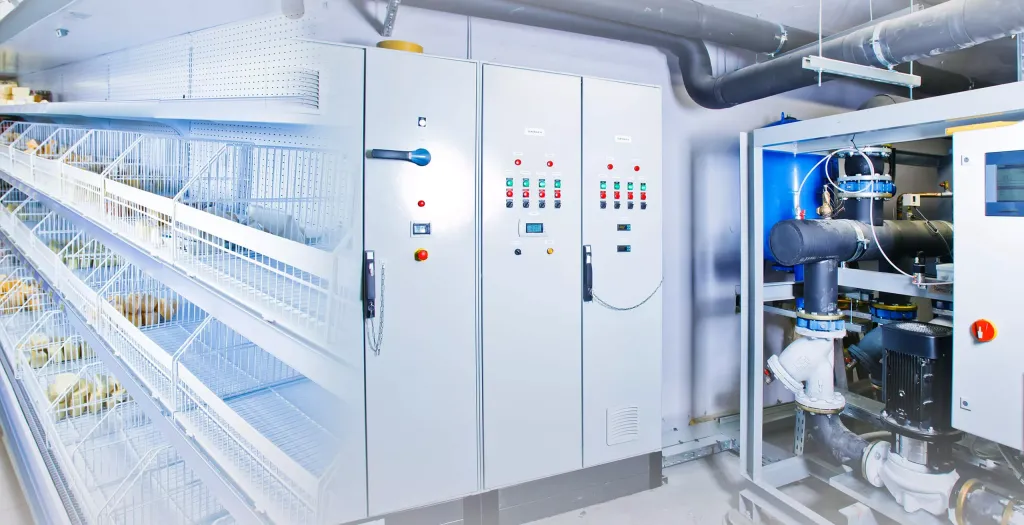
Compliance Advantages Through Operational Design
The ghost kitchen structure offers distinct benefits for maintaining safety standards. Faster setup times allow businesses to implement purpose-built compliance systems from inception rather than retrofitting existing spaces. Reduced fixed costs free capital for investment in commercial-grade refrigeration, automated temperature monitoring, and advanced ventilation systems.
Operational flexibility enables rapid response to regulatory updates. Ghost kitchens can modify production processes, adjust equipment configurations, or relocate operations without the constraints of customer-facing renovations. This adaptability proves valuable when health authorities introduce new requirements or when seasonal demand shifts necessitate workflow changes.
Integrated logistics solutions built into ghost kitchen operations create natural checkpoints for safety verification. Digital order management systems automatically timestamp production stages, while delivery partnerships establish clear handoff protocols that maintain cold chain integrity.
Risk Reduction Through Simplified Operations
Risk reduction in kitchens becomes more manageable when operations focus solely on production. Staff training concentrates on food preparation and packaging rather than dividing attention between cooking and customer service. This specialization allows deeper expertise in critical control points specific to high-volume production.
The ghost kitchen model reduces certain contamination vectors:
- No customer traffic eliminates external pathogen introduction
- Controlled access points limit unauthorized entry
To further enhance these best practices for food safety in ghost kitchens, operators can implement strict hygiene protocols, regular staff training sessions focused on food safety compliance, and routine audits to ensure adherence to established guidelines.
Conclusion
How does strategic planning ensure compliance success in high-volume kitchens?
Mastering food safety compliance management in high-volume kitchens depends on three interconnected pillars: thoughtful design, intelligent equipment selection, and comprehensive staff training. These elements work together to create environments where operational efficiency in kitchens aligns seamlessly with regulatory requirements.
Kitchen design sets the foundation. Layouts that separate raw and cooked food zones, provide adequate space for cleaning stations, and incorporate proper drainage systems prevent cross-contamination before it occurs. The physical infrastructure determines whether compliance becomes a daily struggle or an embedded operational advantage.
Equipment selection directly impacts compliance capabilities. Choosing refrigeration units with reliable temperature monitoring, ventilation systems sized appropriately for cooking volume, and surfaces that withstand rigorous sanitation protocols reduces the margin for error. Quality equipment from reputable suppliers minimizes breakdowns that could compromise food safety during peak production periods.
What role does human capital play in sustained compliance?
Staff training transforms written policies into lived practices. Teams educated in HACCP principles, hygiene standards, and temperature control protocols become the active defense against food safety risks. Training programs aligned with regulatory requirements create a workforce that recognizes hazards, responds appropriately, and maintains documentation without constant supervision.
The integration of these three pillars creates resilient systems. When kitchen design supports proper workflow, equipment functions reliably, and staff understand their role in safety protocols, high-volume operations achieve both compliance and efficiency. Regular audits verify these systems remain effective as operations scale.
Mastering Food Safety Compliance Management in High-Volume Kitchens requires viewing compliance not as a regulatory burden but as a competitive advantage. Businesses that embed safety into their operational DNA through strategic planning reduce waste, protect brand reputation, and build customer trust while meeting legal obligations.
Click here for more 5 Steps to Achieving Perfect Food Safety Compliance