
Why does food temperature monitoring matter so much?
It matters because temperature is the fastest path from “safe” to “unsafe.” When food sits in the danger zone, bacteria can multiply quickly, quality drops, and shelf life shrinks.
It also matters because regulators expect proof. If a business cannot show temperature logs and corrective actions, it may face failed inspections, fines, or forced disposal.
What temperatures are they trying to control?
They are trying to keep cold foods cold, hot foods hot, and limit how long food spends between safe ranges. Teams should follow their local food code and internal HACCP plan, since exact thresholds and rules vary by jurisdiction.
In practice, most temperature control programs focus on receiving, storage, preparation, cooling, reheating, hot holding, and transport, because those are the points where temperature abuse happens most often.
Where do temperature failures usually happen?
Breakdowns in food temperature monitoring most commonly occur at operational handoffs and during peak activity windows. A delivery left on the dock, a preparation batch cooling too slowly, or a hot holding unit drifting outside safe range overnight can all introduce significant compliance risk when food temperature monitoring is inconsistent or delayed.
Equipment-related failures are equally critical. A refrigerator may “feel cold” at the front while running above safe limits in the back corner—particularly when overloaded or when airflow is obstructed. Without structured food temperature monitoring, these hidden variances can go undetected, increasing the likelihood of spoilage, food safety incidents, and regulatory exposure.
How should they monitor temperatures day to day?
They should combine routine checks with clear responsibility. That means scheduled measurements, documented logs, and a defined response when readings fall outside limits.
A simple approach is to assign checks by station and time, require initials, and review logs daily. When something is off, teams should record what happened, what they did to fix it, and whether food was discarded.
Which tools should they use for accurate readings?
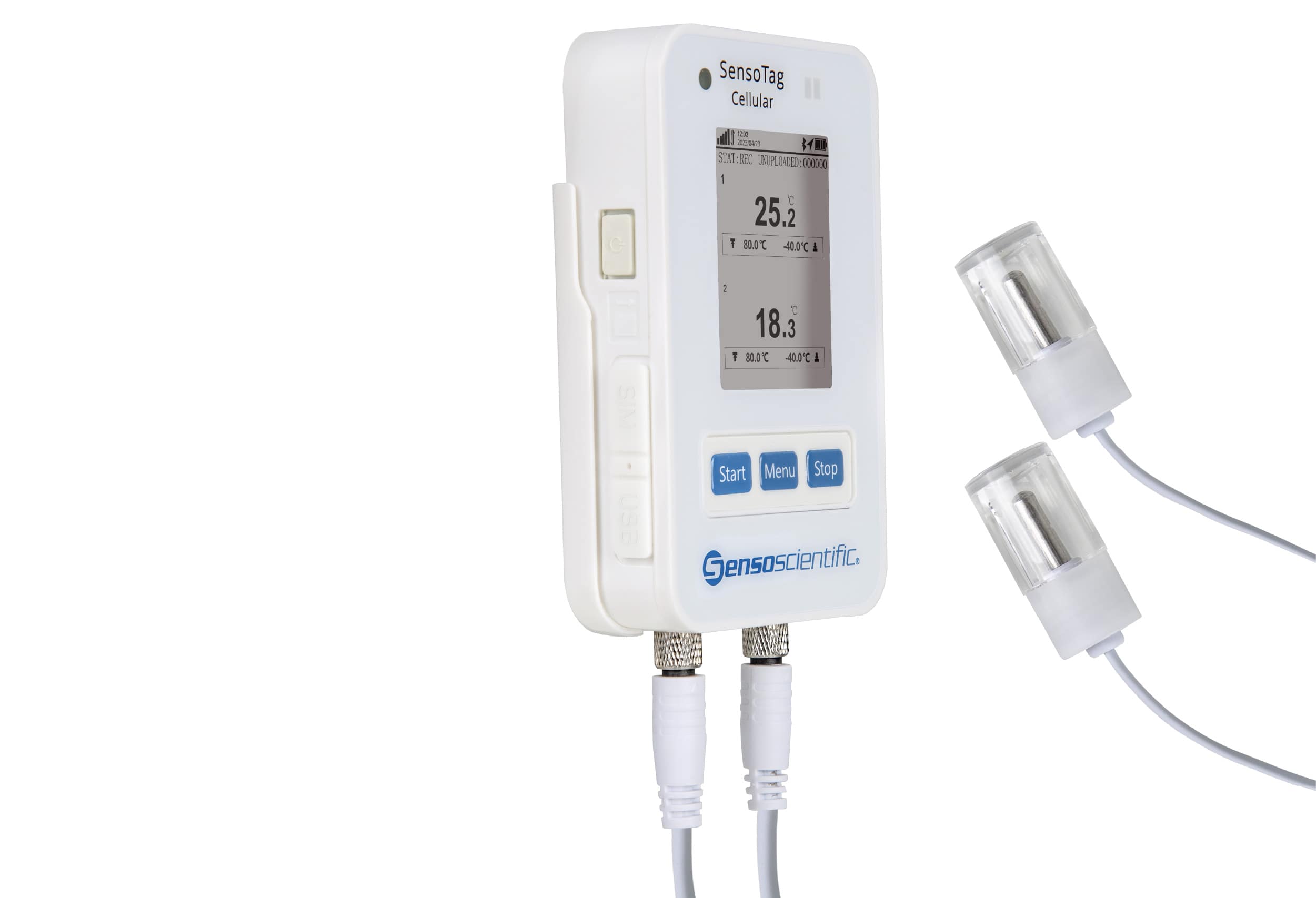
They should use calibrated probe thermometers for internal temperatures and verified sensors for air or surface monitoring. Probe thermometers are critical for cooking, cooling verification, and reheating checks.
For storage units, continuous monitoring with alerts can reduce risk, but it should not replace periodic verification. Teams still need spot checks to confirm sensors match real conditions.
How can they prevent spoilage with smarter monitoring?
They can prevent spoilage by catching drift early and linking temperature data to decisions. If a cooler trends warmer every afternoon, they can adjust loading patterns, schedule maintenance, or change defrost cycles before food quality suffers.
They can also reduce waste by separating “food is unsafe” from “equipment needs attention.” Good logs help teams decide whether food can be rapidly moved and saved or must be discarded.
What documentation do inspectors and auditors expect to see?
They expect clear, consistent records that show control and follow-through. Logs should include the item or unit checked, time, measured temperature, who checked it, and any corrective action taken.
Auditors also look for calibration records and training evidence. If a thermometer is inaccurate or staff are unsure of procedures, even perfect-looking logs can be questioned.
What corrective actions should they take when temperatures are out of range?
They should act immediately and document the action. Common steps include moving food to a functioning unit, rapidly cooling or reheating to safe levels, discarding food when required, and calling for equipment service.
They should also identify the cause. If the problem was a propped door, retraining may be enough. If it was a failing compressor, maintenance and follow-up verification should be recorded.
How do they build a monitoring plan that actually gets followed?
They build one that is specific, short, and easy to audit. Each step should say what to check, how to check it, how often, and what to do if it is wrong.
They also keep it realistic. Fewer checks done reliably are better than a complex schedule that gets skipped. Reviewing results weekly helps keep the program alive and improves accountability.
What is the simplest way to reduce both risk and workload?
They standardize procedures and automate where it helps. Clear checklists, labeled thermometers, consistent log templates, and defined limits reduce decision fatigue.
Where budgets allow, continuous monitoring with alerts can reduce manual checks and provide strong records. Even then, the best results come when teams treat monitoring as daily operations, not just a compliance task.
FAQs (Frequently Asked Questions)
Why is food temperature monitoring crucial for food safety and compliance?
Food temperature monitoring is essential because temperature changes quickly affect food safety, allowing bacteria to multiply in the danger zone, which compromises quality and shelf life. Additionally, regulators require proof of temperature control through logs and corrective actions to avoid failed inspections, fines, or forced disposal.
What are the key temperature control points in food handling?
Key temperature control points include receiving, storage, preparation, cooling, reheating, hot holding, and transport. These stages are critical because they are where temperature abuse most often occurs. Teams should follow local food codes and internal HACCP plans to maintain cold foods cold, hot foods hot, and limit time spent in unsafe temperature ranges.
How can teams effectively monitor food temperatures on a daily basis?
Effective daily monitoring combines routine scheduled checks with clear responsibility assignments. This involves taking measurements at designated stations and times, documenting logs with initials, reviewing logs daily, and recording any incidents along with corrective actions taken when temperatures fall outside safe limits.

What tools ensure accurate food temperature readings?
Calibrated probe thermometers are vital for measuring internal food temperatures during cooking, cooling verification, and reheating. Verified sensors are used for air or surface monitoring. Continuous monitoring systems with alerts can help track storage unit temperatures but should be supplemented with periodic spot checks to verify sensor accuracy.
What corrective actions should be taken when food temperatures go out of range?
Immediate action is necessary, such as moving food to functioning units, rapidly cooling or reheating to safe levels, discarding unsafe food when required, and calling for equipment maintenance. It’s also important to identify causes like propped doors or failing compressors and document both the corrective steps and follow-up measures.
How can businesses build a practical and effective food temperature monitoring plan?
A successful monitoring plan is specific, concise, easy to audit, and realistic. It clearly defines what to check, how often, how to check it, and actions if limits are exceeded. Prioritizing fewer reliable checks over complex schedules improves compliance. Regular weekly reviews help maintain accountability and continuous improvement.
Click here for about: HACCP Food Safety Requirements Every Operator Should Understand